Worn Cylinders Restored Through Systematic Component Work
Hydraulic Cylinder Remanufacturing in Texarkana for cylinders with extensive wear, damaged structural components, or degradation beyond what routine repair can address
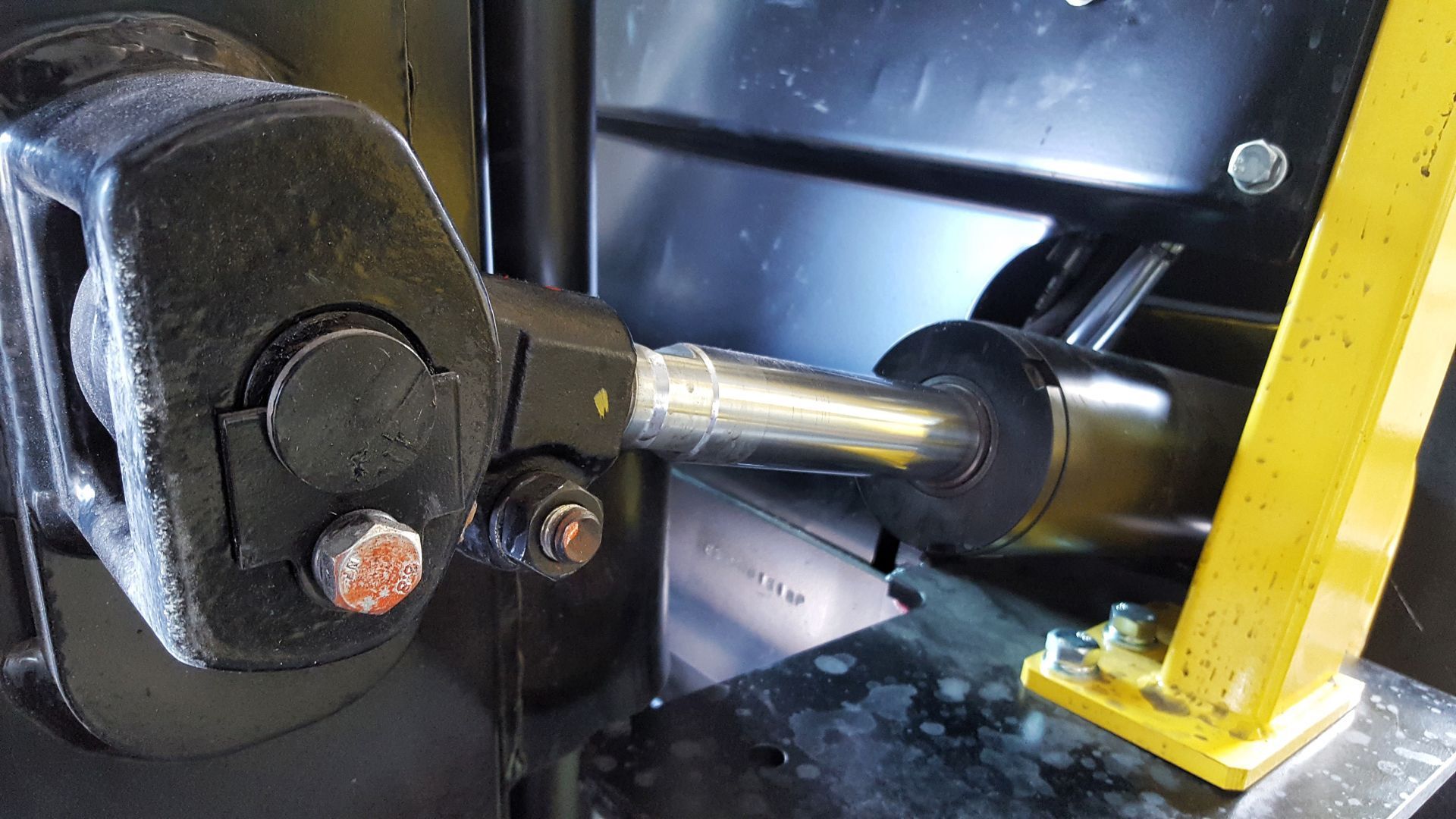
Some hydraulic cylinders arrive with wear or damage distributed across multiple components—a rod that requires surface restoration, a bore that needs honing, worn guides, and deteriorated seals all in the same assembly. That combination of conditions moves the work beyond routine repair and into remanufacturing, where each affected component is evaluated and worked individually before the cylinder is reassembled. Eagle Cutting & Supply approaches remanufacturing as a deliberate process that begins with condition assessment and proceeds through component work, machining where applicable, and preparation for return to service.
The distinction between repair and remanufacturing is practical rather than promotional: repair typically addresses identifiable failed components within an otherwise serviceable assembly, while remanufacturing involves a more thorough teardown and restoration of the cylinder as a whole. When a cylinder's rod surface has worn beyond what polishing can address, when bore geometry has deteriorated, or when end cap threads or port interfaces need machining attention, those operations require the kind of equipment and process coordination that separates a remanufacturing scope from a seal replacement. Knowing which scope applies requires evaluating the cylinder first—the condition of the components determines the answer.
Discuss the cylinder's condition and its application requirements with Eagle Cutting & Supply before deciding between repair, remanufacturing, or replacement.
What Cylinder Remanufacturing Actually Accomplishes
Remanufacturing a cylinder involves working through it systematically: disassembly and cleaning, dimensional inspection of the rod, bore, and structural components, machining operations on surfaces that have worn outside acceptable tolerances, replacement of seals and wear components, and reassembly with the documentation needed to confirm the work performed. The machining side of this process—surface grinding, honing, or thread repair on a cylinder component—requires equipment and setup that is part of Eagle Cutting & Supply's broader machine-shop capabilities rather than a capability sourced from a separate facility.
A cylinder that has completed remanufacturing should hold its rated function across the full stroke, seal without external leakage, and operate within the tolerances its application requires. The advantage of remanufacturing an existing cylinder, when the application warrants it, is that the mounting interfaces, port locations, stroke length, and bore diameter are preserved exactly—dimensions that a replacement cylinder may not replicate without custom fabrication.
Not every cylinder with extensive wear is a remanufacturing candidate. Cylinders with cracked housings, corroded bores that exceed recoverable material, or structural damage that machining cannot restore may be better evaluated for fabricated replacement rather than component-level restoration. That evaluation happens during inspection, and the recommendation is based on what the teardown reveals rather than a predetermined scope.
Questions Before Starting Cylinder Remanufacturing
Customers weighing remanufacturing against other options want to understand what separates the two service levels and what the evaluation process involves before committing the cylinder for work.
How does remanufacturing differ from a standard cylinder repair?
Repair typically addresses a defined set of failed components—seals, a damaged fitting—while remanufacturing involves restoring the cylinder's core components to serviceable dimensional condition through machining and systematic replacement, addressing cumulative wear rather than a single failure point.
What machining operations are commonly involved in cylinder remanufacturing?
Rod surface restoration, bore honing to correct geometry, and port or thread repair are among the operations that distinguish remanufacturing from seal-only work, each requiring setup and equipment specific to the component dimensions.
Why is it worth remanufacturing a cylinder rather than ordering a replacement?
Custom cylinders, cylinders with non-standard stroke or bore dimensions, or cylinders integrated into equipment where replacement fitment is uncertain are often better candidates for remanufacturing than off-the-shelf substitution.
What happens during the initial evaluation?What happens during the initial evaluation?
The cylinder is disassembled, cleaned, and measured to establish the actual condition of the rod, bore, seals, and structural components—that data drives the remanufacturing scope and the discussion with the customer about what work is required.
How does the industrial equipment environment around Texarkana affect cylinder remanufacturing needs?
Heavy equipment operating in conditions with significant contamination exposure or high cycle demands tends to accumulate wear across multiple cylinder components simultaneously, which is exactly the scenario where remanufacturing provides a more complete restoration than targeted repair alone.
Bring the cylinder to Eagle Cutting & Supply along with details about its application and operating history—that information, combined with a teardown evaluation, gives the clearest picture of what remanufacturing involves and whether it is the right path for that specific component.