Cylinders Assessed Before Any Work Proceeds
Hydraulic Cylinder Repair in Texarkana for equipment with leaking seals, worn rod surfaces, or cylinders showing reduced force or inconsistent movement
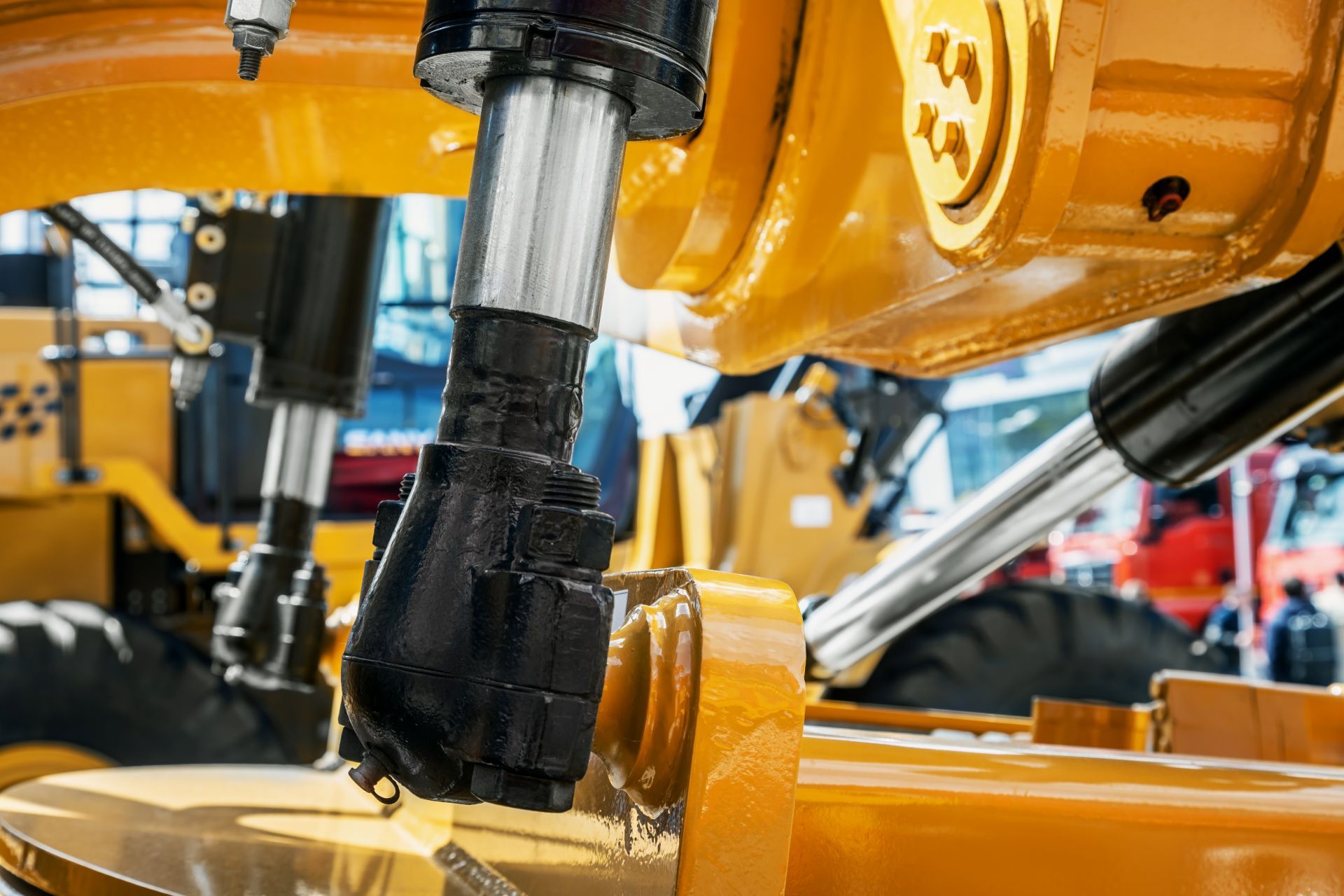
Bypassing fluid past a worn seal or a scored rod surface shows up in several ways before a hydraulic cylinder fails completely—slow or inconsistent movement, visible external leakage at the rod, or a system that loses position under load. Eagle Cutting & Supply provides hydraulic cylinder repair for industrial machinery and equipment operators who need a cylinder evaluated and restored to function without defaulting to full assembly replacement. The repair process starts with inspection, not assumption, because the visible symptom and the actual cause are not always the same.
Cylinder repair typically involves disassembly, cleaning, and a thorough review of each component—rod, bore, end caps, seals, and any wear rings or guides that influence how the assembly operates. A scored rod, for example, may allow a new seal set to leak again quickly if the rod surface is not addressed before reassembly, while a bore that has developed out-of-round wear changes how the piston seals and affects force output. Identifying those conditions during inspection is what determines whether a seal replacement is sufficient or whether additional work is needed to restore the cylinder to reliable service.
Bring the cylinder and any background on its application and operating conditions so repair requirements can be evaluated accurately from the start.
Why Inspection Drives the Repair Decision
The value of inspecting a cylinder before committing to a repair scope is that it prevents the most common failure mode of hydraulic cylinder work: replacing seals on a cylinder that has underlying wear the new seals cannot compensate for. Cylinder rod surfaces are evaluated for scoring depth and surface finish, bores are checked for wear or damage that affects seal contact, and end caps are examined for thread condition and any structural issues that could affect reassembly. That sequence of evaluation produces a factual list of what actually needs attention rather than a blanket replacement of every component.
After repair is complete, the cylinder should extend and retract fully under load, hold position without drifting, and show no external leakage at the rod or end caps. Eagle Cutting & Supply's access to machining capabilities alongside hydraulic service is relevant when a cylinder component requires surface work—rod regrinding, bore honing, or fitting replacement—that goes beyond what a seal-only repair can address.
Not every cylinder is a candidate for repair. Structural damage, severely corroded housings, or bore damage that exceeds what reconditioning can address may make repair impractical depending on the cylinder's application and the cost of the work required. That determination is made during inspection and discussed with the customer before any labor is committed.
Answers to Frequent Cylinder Repair Questions
Customers dealing with a leaking or underperforming cylinder often want to understand how the repair process works before committing to bringing a cylinder in, particularly when the equipment depends on that cylinder to operate.
What causes most hydraulic cylinder leaks?
External rod seal leakage is most often caused by worn or hardened seals combined with surface imperfections on the rod—a rod that has developed shallow scoring will damage new seals quickly if the surface condition is not corrected as part of the repair.
How is the cylinder evaluated before repair begins?
Disassembly is followed by cleaning and measurement of the rod diameter, bore, and seal groove dimensions, with each component assessed against the tolerances needed to achieve a functional reassembly.
Why not simply replace the entire cylinder assembly?
Replacement is appropriate in some situations, but for larger or custom cylinders the cost of replacement often exceeds repair, and for equipment where the cylinder is integrated into a specific mounting configuration, repair preserves fitment that a replacement may not replicate.
What information helps when bringing a cylinder for evaluation?
The cylinder's application, the equipment it came from, and any observed symptoms—when the leak started, whether performance declined gradually or suddenly—help direct the inspection toward likely failure points.
How do operating conditions in industrial and agricultural settings around Texarkana affect cylinder wear patterns?
Equipment operating in environments with airborne grit, moisture exposure, or heavy load cycling tends to show accelerated rod surface wear and seal degradation, which makes periodic inspection before outright failure a practical maintenance approach.
Eagle Cutting & Supply can review the cylinder, discuss what the inspection shows, and walk through repair options based on the component's condition—call (903) 838-4579 to arrange a time to bring the cylinder in for evaluation.